Allerlei Zierat 3: A Designer's Guide to This Ornamental Font
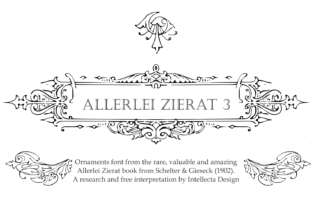
Finding a typeface with genuine historical weight and unique character can transform a standard project into something memorable. Allerlei Zierat 3 is one such typeface. It's not a modern creation dreamed up on a computer; it's a direct descendant of a specific, tangible piece of design history. This font is a carefully researched and interpreted revival of ornaments from the 1902 specimen book of J.G. Schelter & Giesecke, a renowned German type foundry. The original book, titled Allerlei Zierat, was an encyclopedic collection of every kind of decoration imaginable for the printing trade of the era.
Intellecta Design has brought these intricate, century-old forms back to life. The result is more than just a font; it's a design asset that carries the elegance and meticulous craftsmanship of the early 20th century. When you use Allerlei Zierat 3, you're tapping into a legacy of ornamental design that feels both rare and incredibly authentic. It’s a premium font that offers something a generic display font simply cannot: a story.
Understanding the Visual Language of Allerlei Zierat 3
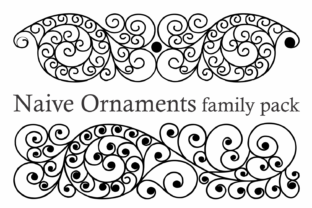
At its core, Allerlei Zierat 3 is a collection of ornamental glyphs. Don't expect a full alphabet of letters. Instead, you'll find a rich library of flourishes, borders, corner pieces, and decorative motifs. The visual style is rooted in the Art Nouveau and late Victorian periods. You'll notice the characteristic flowing, organic lines and symmetrical, nature-inspired patterns. These aren't sharp, geometric shapes; they have a hand-drawn, almost calligraphic quality that adds a layer of sophistication.
The personality of this typeface is undeniably classic, elegant, and formal. It evokes a sense of history, quality, and attention to detail. The overall appeal lies in its ability to instantly add a layer of ornate decoration that feels earned and authentic, rather than cheap or overused. It’s a creative font for designers who appreciate the nuances of historical typography and want to incorporate that feeling into their work. The intricate details make it a standout choice for projects where visual impact is paramount.
Where This Ornamental Font Truly Shines
The real-world value of a font like Allerlei Zierat 3 lies in its specific applications. It's a specialist tool, not a workhorse for body text. Its strength is in providing decorative flair and establishing a distinct mood. Thinking about where it fits best is key to using it effectively.
Branding and Logo Design
For certain brands, Allerlei Zierat 3 can be a game-changer. It's an excellent choice for businesses that want to project an image of luxury, tradition, or bespoke craftsmanship. Think of a high-end chocolatier, a bespoke tailor, a vintage-inspired brewery, or a luxury hotel. Using a single, elegant flourish from this font as a central element in a logo design can create a powerful and unique brand identity. It works beautifully as a secondary element, framing a logotype set in a clean serif font or a simple sans serif font.
Editorial and Packaging Design
In publishing, this typeface is a perfect fit for book covers, especially for genres like historical fiction, classic literature, or poetry collections. It can be used to create ornate chapter headings or decorative page dividers that elevate the reading experience. For packaging design, imagine the borders of a label for a craft spirit, the corner ornaments on a box of artisanal stationery, or the decorative frames on a luxury cosmetic product. These details communicate quality before the customer even reads a word.
Digital and Personal Projects
Don't relegate this font to just print. On the web, Allerlei Zierat 3 can be used to create stunning hero images, unique social media graphics, and elegant website dividers. For bloggers and content creators, it can add a touch of class to digital invitations or special announcements. Crafters and hobbyists will also find immense value in it for creating personalized gifts, wedding stationery, or decorative art prints. Its versatility as a design asset extends far beyond commercial use.
Practical Guidance for Using Allerlei Zierat 3
Integrating a specialized ornamental font into your workflow requires a thoughtful approach. Here’s how to make the most of it without overwhelming your designs.
- Evaluate the Project Fit: Before you even open your design software, ask yourself if the project's tone aligns with the font's personality. Is it modern and minimalist? If so, Allerlei Zierat 3 is likely the wrong choice. Is it classic, luxurious, or historical? You're on the right track.
- Master the Font Pairing: This is crucial. Because Allerlei Zierat 3 is so detailed, it needs to be paired with a simple, legible typeface. A clean serif font like Garamond or a straightforward sans serif font like Helvetica or Futura makes an excellent partner. The contrast allows the ornamental elements to stand out without creating visual chaos. Avoid pairing it with other decorative or script fonts.
- Explore the Font Family: The prompt notes that this font is available as a family. Always check what styles are included. A family might offer different weights, alternate characters, or a set of simplified ornaments. Having these options gives you more creative control and flexibility to adapt the font to different contexts, from a bold headline to a subtle background texture.
- Prioritize Readability: This is a display font, meant for short, impactful use. Never use it for body copy or any text that needs to be read quickly and easily. Its intricate forms will become a jumbled mess at small sizes. Use it for headlines, logos, and decorative touches where its detail can be fully appreciated.
- Understand the Licensing: Since this is a commercial font, ensure you have the correct license for your project. A personal license for a hobby project is different from a commercial license for a client's logo or a product you plan to sell. Always read the End User License Agreement (EULA) to avoid future issues.
Ultimately, Allerlei Zierat 3 is a bridge to a rich typographic past. It offers a practical way for modern designers, marketers, and creators to infuse their projects with a sense of history and unparalleled elegance. By using it strategically, you can create work that is not only beautiful but also deeply resonant with its audience.