Bunny Nose: The Sweet Handwritten Font for Spring Projects
When you're building a brand or creating a marketing campaign, the typeface you choose does more than just display words. It communicates a feeling. For seasonal projects, particularly those centered around Easter, spring, or the general warmth of new beginnings, that feeling needs to be specific: joyful, organic, and approachable. This is exactly the space where the Bunny Nose font operates. It isn't just a collection of letters; it is a design asset that brings a distinct, hand-crafted personality to your work.
As a creative professional, you know that finding a premium font that balances whimsy with functionality can be a challenge. Many decorative fonts sacrifice readability for style. However, Bunny Nose manages to capture the essence of a handwritten font without losing the clarity required for effective communication. It mimics the natural irregularities of hand-lettering, offering a texture that feels human and authentic. In an era dominated by sterile sans serif font choices, using a typeface like this can instantly make a brand feel more accessible and relatable.
The Personality Behind the Typeface
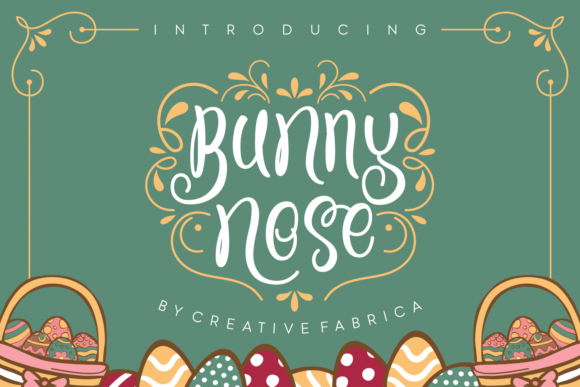
Understanding the visual characteristics of Bunny Nose is the first step in knowing how to use it effectively. This is a script font with a sweet, looping baseline and soft edges. It avoids the aggressive slant often found in formal calligraphy, instead opting for a more upright, casual posture. This makes it incredibly versatile. It feels like a note written by a friend or a doodle in the margins of a planner—intimate and genuine.
For designers working on logo design, the personality of the font sets the tone for the entire brand identity. Bunny Nose suggests that a brand is friendly, creative, and values the personal touch. It works beautifully for businesses that want to distance themselves from corporate rigidity. Think of a local bakery, a boutique children’s clothing line, or a lifestyle blog. The font’s aesthetic aligns with a modern, artisanal approach to business.
Where Bunny Nose Shines: Applications and Use Cases
The utility of a creative font like this extends far beyond a simple header. To get the most value out of your investment, you need to understand the specific environments where this typeface excels.
- Packaging Design: If you are selling physical goods, especially those related to Spring or food products, packaging is your silent salesperson. Bunny Nose adds a tactile quality to labels and boxes. It implies that the product inside was made with care. It pairs exceptionally well with kraft paper textures or pastel color palettes.
- Social Media Graphics: In the fast-scrolling world of Instagram or Pinterest, static text often gets ignored. A handwritten font breaks the visual monotony. Use Bunny Nose for quote graphics, sale announcements, or story overlays to grab attention and inject personality into your feed.
- Editorial Design: While you wouldn't use this for body copy in a magazine, it works wonders for pull quotes, sub-headers, or drop caps in editorial design. It provides a visual break from standard serif font text, guiding the reader’s eye to the most important parts of the story.
- Web Design: On a landing page, a hero section featuring Bunny Nose can set an emotional tone immediately. It is excellent for headlines on "About Us" pages or for call-to-action buttons where you want to soften the request and make it feel more inviting.
Strategic Implementation: Readability and Hierarchy
One of the most common mistakes in modern typography is the misuse of decorative fonts. A font like Bunny Nose is a display font, meaning it is designed to be seen, not necessarily read in long paragraphs. If you try to write a 500-word blog post entirely in this style, you will fatigue your readers quickly. The loops and swashes that make it charming at 48pt become visual noise at 12pt.
Instead, use it to build a strong visual hierarchy. Pair Bunny Nose with a clean, geometric sans serif font for your body text. This contrast is the foundation of good typography. The handwritten font draws the eye and establishes the mood, while the sans serif ensures the message is delivered clearly and efficiently.
Consider the psychological impact on your audience. When a user sees a heading in Bunny Nose, they subconsciously register the effort and creativity behind the brand. This fosters trust. It suggests that if you care enough to choose a unique typeface, you likely care about the quality of your service or product. This is a subtle but powerful element of brand identity.
Practical Tips for Designers and Entrepreneurs
Before integrating Bunny Nose into your next project, take a moment to evaluate the specific requirements of the job. Here is a practical checklist for working with this font:
- Check the Licensing: Always verify the license. If you are creating a logo for a client or selling merchandise, you need a commercial font license. Ensure the license covers your specific use case, whether it is digital (web) or print (merchandise).
- Review Included Styles: Many high-quality fonts come with alternates, ligatures, or swashes. Open the glyph panel in your design software (like Adobe Illustrator or Photoshop) to see what extra characters Bunny Nose offers. Swashes can add flair to the beginning or end of a word, making your layout look more custom.
- Test for Scalability: How does the font look when scaled down to the size of a business card? Or blown up on a banner? Bunny Nose generally retains its shape well, but always test it at the actual size it will be viewed.
- Color and Contrast: Handwritten fonts can sometimes have thinner strokes than standard bold fonts. Ensure there is enough contrast between your text color and the background to maintain readability, especially for users with visual impairments.
Ultimately, Bunny Nose is more than just an Easter novelty. It is a versatile design asset that can bridge the gap between professional design and personal connection. Whether you are launching a new product line, refreshing your website for the season, or creating a heartfelt invitation, this font provides the tools to make your message feel warm, genuine, and memorable. By using it thoughtfully and pairing it with complementary typefaces, you can elevate your creative projects and build a stronger connection with your audience.