Good Kinds: The Handwritten Font for Creative Craft Needs
Understanding the Visual Personality of Good Kinds
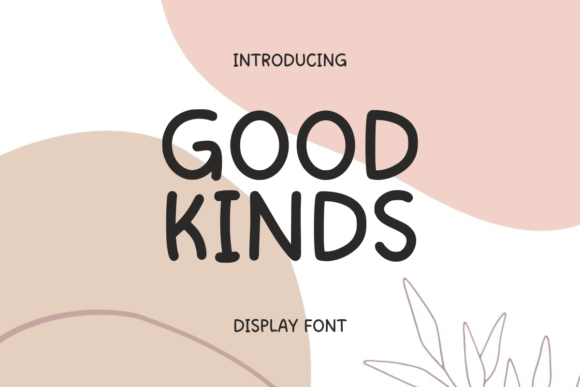
When you first see Good Kinds, its immediate charm is its approachable, organic feel. It's a handwritten font that doesn't try to be overly formal or perfect. The letterforms have a gentle, slightly irregular baseline, giving them a natural, human touch. The strokes are smooth and rounded, with a consistent weight that feels friendly and warm. This isn't a script font that mimics elegant calligraphy; instead, it feels like something written quickly with a marker or a soft pen by someone with a cheerful disposition. The overall personality is cute, playful, and sincere. It communicates authenticity and a down-to-earth vibe, making it ideal for projects that need to connect on a personal level without sacrificing clarity.
Where Good Kinds Truly Shines: Practical Applications
The strength of a creative font like Good Kinds lies in its versatility across various mediums. For brand identity, it's perfect for businesses that want to project a friendly, artisanal, or approachable image. Think of a local bakery, a handmade soap company, a children's boutique, or a wellness coach's logo. It adds a personal stamp that feels more intimate than a standard sans serif font.
In editorial design, Good Kinds works beautifully for pull quotes, chapter titles, or section headings in lifestyle magazines, recipe books, or personal blogs. It draws the eye without overwhelming the body text. For packaging design, especially on labels for artisanal goods, craft products, or gourmet items, it communicates care and craftsmanship. The font's playful nature also makes it a fantastic choice for social media graphics. Instagram stories, Pinterest pins, and Facebook posts become more engaging with its friendly typeface, helping your content stand out in a crowded feed.
For web design, it can be used strategically for hero text, call-to-action buttons, or featured quotes to inject personality. However, it's crucial to pair it with a highly legible serif font or sans serif font for body copy to ensure readability. In print, it's excellent for greeting cards, invitations, posters for local events, and worksheets for creative workshops. Its appeal isn't limited to commercial use; hobbyists and crafters will find it ideal for DIY projects, scrapbooking, and personalized gifts.
Making the Most of Good Kinds: Pairing and Practical Tips
Using any display font effectively requires a bit of strategy. Good Kinds is best used as an accent font, not for large blocks of text. Its charm can become overwhelming if overused, potentially harming readability. A practical approach is to reserve it for headlines, logos, or key phrases where you want to inject personality. For body text, pair it with a clean, simple font. A neutral serif font like Lora or Merriweather can create a nice contrast, balancing its playfulness with stability. Alternatively, a geometric sans serif font like Montserrat or Open Sans provides a modern, clean backdrop that lets Good Kinds' character pop without competing.
When evaluating if it's the right fit, consider your project's tone. Is it formal, corporate, or serious? Good Kinds likely isn't the best choice. Is it friendly, personal, creative, or community-oriented? Then it's worth exploring. Always test it in context. Mock up a business card, a website header, or a social media post to see how it feels alongside your other design assets and color palette. Check the font package for included styles. Does it offer multiple weights, or just one? Are there alternate characters or ligatures that can add variety? Understanding the full scope of the premium font helps you use it more creatively.
Licensing is a critical, practical step. If you're using Good Kinds for a client project, a product for sale, or any commercial endeavor, you need a commercial license. Always review the license agreement provided by the font foundry or marketplace. It will specify permitted uses, such as on websites, in print materials, or within software. Respecting licensing not only keeps you legal but also supports the designers who create these valuable design assets. By thoughtfully integrating Good Kinds into your toolkit, you can add a touch of genuine, approachable charm that helps your projects resonate more deeply with your audience.